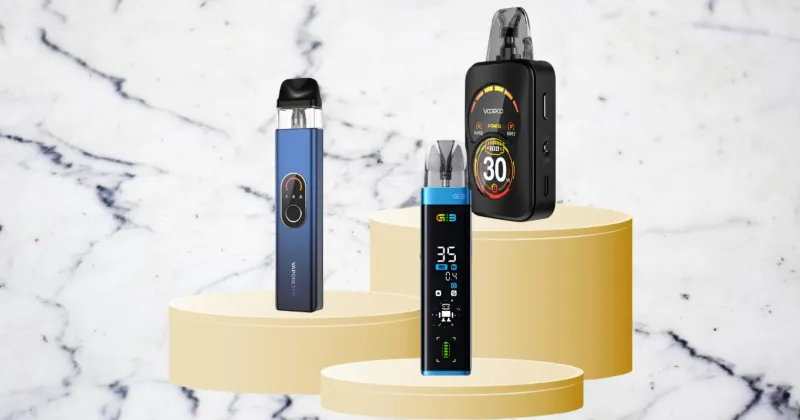
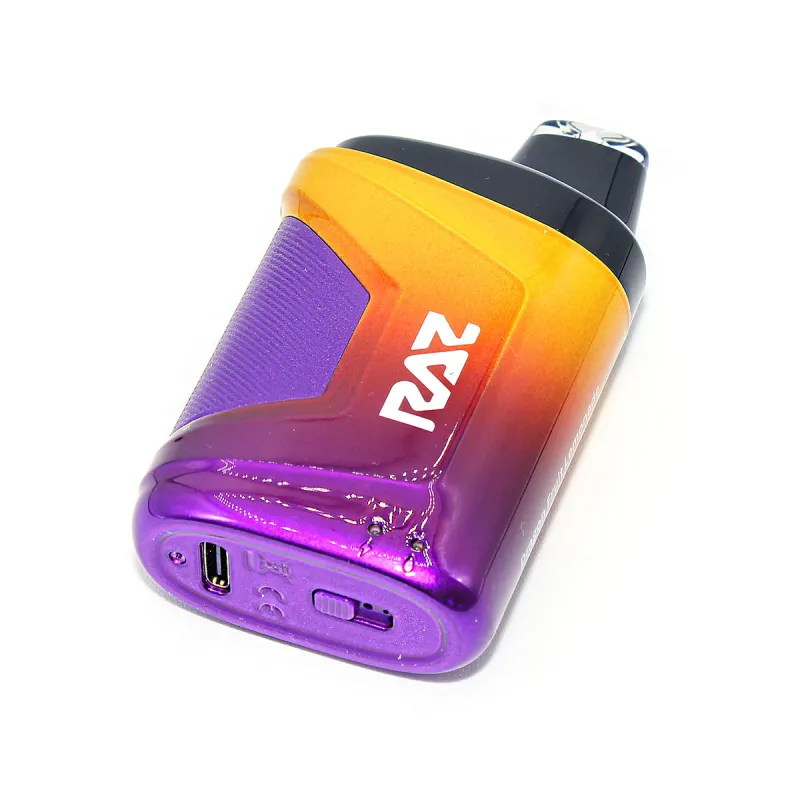
Chasing the Hit: How to Lock In Your Nicotine Level Without Going Off the Rails
Let's be real — most vapers spend way too long fumbling through nicotine strengths before landing on the one that actually works. Too low and you're chain-vaping like it's a second job. Too high and you're dizzy, headachy, and wondering why you ever thought this was fun. The sweet spot exists, but it takes a little homework to find it. And once you do? Everything clicks.
This isn't a lecture. It's a roadmap.
Why Nicotine Strength Actually Matters
Nicotine isn't just a number on a bottle — it's a variable that interacts with your device, your vaping style, and your own body chemistry. A 6mg freebase hit from a high-wattage sub-ohm tank delivers a wildly different experience than 6mg from a low-power pod system. Same number, totally different ride.
Here's the quick science: nicotine absorption depends on how deeply you inhale, how much vapor you produce per puff, and the form the nicotine takes — freebase or salt. Your lungs absorb nicotine fast, sending it to your brain in seconds. That's the "hit" you feel. When the strength is off, your body signals the mismatch loud and clear — either through cravings (too low) or nausea and a racing heart (too high).
Knowing this helps you stop treating strength selection like a lottery and start treating it like a tunable setting.
Freebase vs. Salt Nic: Pick Your Fighter
If you've been in the vape world for more than five minutes, you've heard these terms. But understanding what they actually mean for your experience is what separates informed vapers from people just grabbing whatever's on the shelf.
Freebase nicotine is the OG. It's what dominated the market before pod systems took over. It's harsher at higher concentrations — anything above 12mg in a powerful device will sandpaper your throat — but it gives a slower, more gradual satisfaction curve. It's ideal for sub-ohm setups running at 40W and above, where you're producing serious vapor volume. Most freebase juice runs between 0mg and 12mg, with 3mg and 6mg being the sweet spots for cloud-chasers.
Nicotine salts (nic salts) changed the game around 2015 when JUUL popularized them in the US. The chemistry involves adding an acid (usually benzoic acid) to freebase nicotine, which lowers the pH and makes high concentrations — think 25mg to 50mg — smooth enough to actually inhale without coughing up a lung. Nic salts hit faster and more intensely, which is why they're paired almost exclusively with low-wattage, high-resistance pod devices. Running 50mg salt nic through a sub-ohm tank is a one-way ticket to a bad time.
The bottom line: match your nicotine type to your device, not the other way around.
Reading Your Own Signals
Your body is honestly the best diagnostic tool you've got. Here's a quick cheat sheet:
- Still craving after a session? Your strength is probably too low, or your device isn't delivering efficiently.
- Headache, nausea, or heart pounding? You've gone too high. Drop down.
- Constantly reaching for your device every 10 minutes? That's a behavioral loop, not necessarily a nicotine deficit — but strength might be a factor.
- Throat hit too harsh? Either your freebase concentration is too high for your device, or you need to switch to salts.
- No throat hit at all and you feel nothing? Go up a level or reassess your coil resistance.
Marcus T., a 28-year-old from Atlanta who switched from cigarettes to vaping two years ago, spent months stuck at 3mg freebase on a pod system. "I was vaping constantly and still irritable," he says. "Bumped to 20mg salt nic on the same device and suddenly I wasn't thinking about it every five minutes." The device was right; the strength was the missing piece.
On the flip side, Jamie L. from Portland had the opposite problem. She'd been using 50mg salt nic pods and started noticing headaches every afternoon. "I dropped to 35mg and then 25mg over a few weeks," she explains. "The headaches disappeared and I actually enjoy it more now because I'm not overdoing it."
The Step-Down Strategy (Without the Misery)
If you're trying to reduce your nicotine intake — whether for health reasons or just to prove you can — the key is gradual, not cold turkey. Dropping more than one level at a time almost always backfires.
A practical approach:
- Stay at your current level for at least two weeks before making a move.
- Drop by the smallest increment available — usually 5mg for salts, 1.5–3mg for freebase.
- Don't change your device at the same time. One variable at a time.
- Expect the first 3–5 days to feel slightly off. That's normal adjustment, not failure.
- Track your puff frequency. If you're vaping twice as much after dropping, your body is compensating. Hold the line for a week before deciding if the level is sustainable.
The goal isn't punishment. It's recalibration.
The Dependence Spiral: What It Looks Like and How to Dodge It
This is the part nobody wants to talk about but everybody needs to hear. Nicotine is addictive — that's not a scare tactic, it's just biology. The dependence spiral usually starts subtly: you chase the hit by increasing your strength, which raises your tolerance, which makes lower strengths feel unsatisfying, which pushes you higher again.
Signs you might be caught in one:
- You've increased your nicotine strength more than twice in the past year.
- You feel genuinely anxious when your device isn't within arm's reach.
- You're vaping in situations where you normally wouldn't — first thing in the morning, last thing at night, during meals.
None of this means you're stuck. But it does mean that chasing a higher strength isn't the answer. Addressing the behavioral pattern alongside the chemical one is where the real work happens. Some vapers find that switching to a higher-quality juice at a lower strength — where the flavor experience is more satisfying — reduces the urge to chase nicotine hits specifically.
Finding Your Number
Here's a quick reference to start from if you're totally lost:
| Device Type | Style | Suggested Starting Range |
|---|---|---|
| Sub-ohm tank (40W+) | DTL (direct to lung) | 3mg–6mg freebase |
| Pod system (low wattage) | MTL (mouth to lung) | 20mg–35mg salt nic |
| Disposable | MTL | 25mg–50mg salt nic |
| Rebuildable (RDA/RTA) | DTL | 1.5mg–6mg freebase |
These aren't gospel — they're starting points. Your habits, your tolerance, and your history with nicotine (whether you came from cigarettes, other vaping products, or started fresh) all shift the equation.
The best vapers we know treat their setup like a living system — something to be adjusted, optimized, and dialed in over time. Nicotine strength is just one dial among many, but it might be the most important one to get right.
Puff smart. The hit you're chasing is closer than you think.