Crackle, Gurgle, Spit: The Coil Noises That Are Quietly Draining Your Wallet
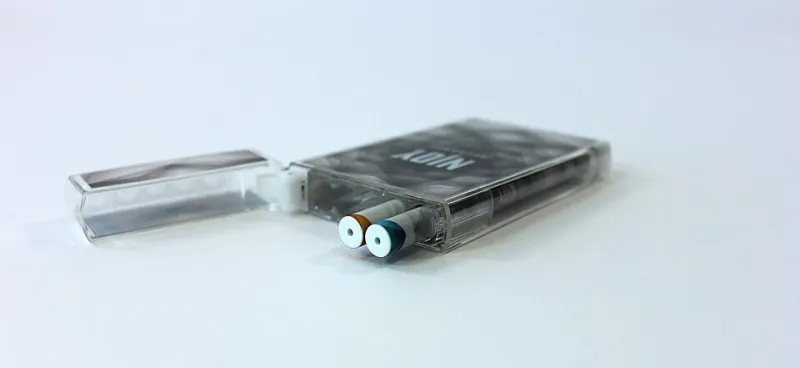
Photo: Lindsay Fox from Newport beach, United States, CC BY 2.0, via Wikimedia Commons
There is a moment every vaper knows: you take a pull, something hisses, spits, or tastes like a campfire, and your brain immediately files the whole thing under coil is dead, buy another one.
Half the time, that diagnosis is wrong. And in a year when a five-pack of coils costs more than a decent dinner, guessing is an expensive hobby.
This is the diagnostic guide. Learn the sounds, learn the fixes, and stop paying for problems that were never hardware.
First, Separate Personality From Problem
Some coil noise is normal and always has been. A fresh coil crackling on the first few fires is juice meeting heat — that is the sound of things working. A faint pop when the device has been sitting cold for an hour is also fine.
The noise that matters is change. A coil that was quiet yesterday and is gurgling today is telling you something. A tank that always hissed lightly is just a tank.
So before you buy anything, ask one question: is this new behavior, or is it this device's normal voice?
The Sound Decoder
Gurgling or a watery, bubbly draw
What it is: flooding. Juice has made it into the airway or the coil head is oversaturated.
Common causes: you filled past the max line, you left the tank in a hot car, you drew too hard and pulled liquid through, or the coil is old enough that the cotton has lost its seal.
The fix: take the tank off, hold it upside down over a paper towel, and fire briefly in short pulses to clear the excess. Then check your fill level. If it keeps flooding at normal levels, the coil is worn — that one you actually do replace.
Spitback — hot juice in your mouth
What it is: small pockets of liquid getting thrown up the chimney instead of vaporizing.
Common causes: too little power for the coil, a coil that is not seated fully, or a flooded head. Underpowering is the big one and the most misdiagnosed. People turn the wattage down when they get spitback, which makes it worse.
The fix: make sure the coil is snug, clear the flood, then bring the power up to the coil's rated range. If it spits at the top of the range, the coil is done.
A harsh, dry, sandpaper hit
What it is: a dry hit. The cotton is running without enough juice.
Common causes: you never primed it, you filled and immediately cranked the wattage, you let the tank run too low, or the juice is thick enough that the wicking cannot keep up.
The fix: this one is not always recoverable. A single real dry hit can scorch the cotton permanently. Prime properly next time, keep the tank above a quarter, and if the burnt taste survives a refill, retire the coil.
Muted, flavorless vapor with no other symptoms
What it is: usually not a broken coil at all.
Common causes: coil gunk buildup after a heavy sweet juice, vape tongue, a battery that is sagging below the output you think you have, or a coil that has simply been in service too long.
The fix: swap the coil if it has been in there a while. If it is fresh and still tasteless, clean the contacts, charge the battery fully, and drink some water. Sometimes the coil is fine and your palate is the problem.
The Priming Checklist You Are Skipping
Almost every one of the failures above traces back to the first five minutes of a coil's life.
- Put a drop on each exposed wicking port — not to soak it, just to start the process.
- Fill the tank and wait. Ten minutes for a standard coil, closer to twenty for a big mesh head or a thick high-VG juice. Waiting is free. Coils are not.
- Start under the rated range. If the coil says 40–60 watts, begin around 30 and work up in small steps over the first dozen pulls.
- Do not chain-vape the first tank. Give the cotton time to re-saturate between pulls. This is the single biggest cause of early failure on sub-ohm setups.
The Power Setting Math People Ignore
Wattage is not a taste preference, it is a spec. Every coil head is built for a range, and both ends of that range have consequences.
Too low: juice does not fully vaporize, so it pools, so you get flooding and spitback and a coil that gunks up fast.
Too high: the cotton dries faster than it wicks, so you get dry hits and a burnt taste that never comes out.
The range printed on the coil is the range for a reason. Sit in the middle, adjust for your juice's thickness, and stop treating the top number as a challenge.
When to Actually Retire a Coil
Replace it when one of these is true:
- The burnt taste survives a full refill and a rest.
- Flavor has dropped noticeably and cleaning the contacts did not help.
- It has been in service longer than you would admit, even if it still works.
- It floods consistently at normal fill levels.
- The cotton looks dark and collapsed when you pull the head.
Do not replace it because of a faint crackle. Do not replace it because a stranger on a forum said your wattage is wrong. And do not replace it because the first hit after a fill was a little wet.
The Twenty-Dollar Rule
The point of all this is not to baby your hardware. It is to stop paying for the same mistake twice.
A coil that dies because you under-primed it costs you money and teaches you nothing. A coil you diagnosed correctly — flooding, underpowered, over-torqued, worn out — costs you the same money and teaches you something you will use for the next fifty coils.
Listen to the sounds. Fix the ones with fixes. Replace the ones without. Your coil is not being dramatic. It is giving you a status report.