Same Bottle, Different Soul: The Gut-Punch of a Reformulated Favorite
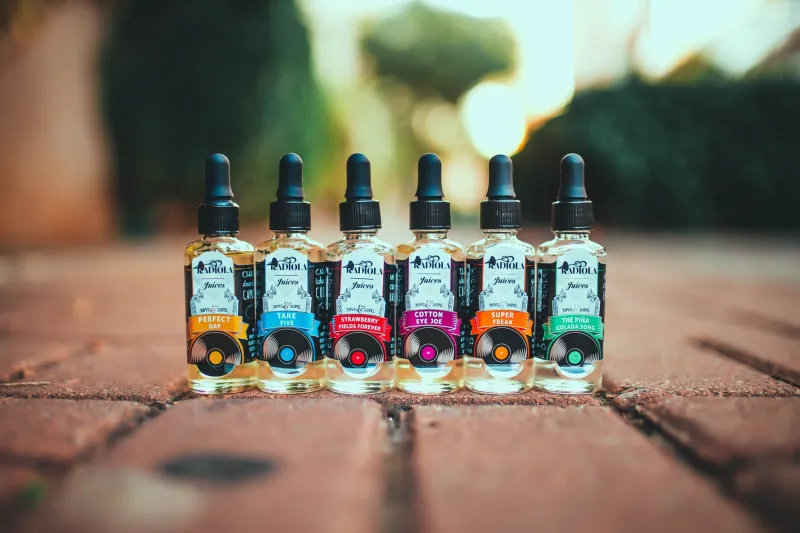
You know the feeling. You've been vaping the same juice for so long it's basically part of your personality. Your friends associate it with you. Your coil is dialed in perfectly for it. Then one day, mid-session, something feels wrong — like a cover band playing your favorite song note-for-note but somehow completely soulless. The label hasn't changed. The bottle looks identical. But the juice? That's a stranger.
This isn't paranoia. It's not your palate having a bad day. Reformulations are real, they happen constantly, and they almost never come with a press release.
The Silent Switch Nobody Warns You About
Vape manufacturers rarely broadcast when they've changed a recipe. There's no patch note, no email blast, no little sticker on the bottle that says "New Formula" the way a shampoo brand might reluctantly admit it. Instead, vapers find out the hard way — through their taste buds — and then flood Reddit threads and Discord servers trying to figure out if they're losing their minds.
Spoiler: they're not.
The reality is that reformulations happen for a whole constellation of reasons, and most of them have nothing to do with a company trying to mess with your head. But understanding why it happens doesn't always make the loss feel smaller.
Ingredient Sourcing: The Supply Chain Nobody Talks About
Flavor concentrates — the backbone of any vape juice — come from a surprisingly small network of chemical suppliers. When one supplier changes their formula, raises prices, or simply stops producing a specific aroma compound, juice makers are left scrambling. They can't always find a perfect replacement, and even when they do, close isn't the same as identical.
"We had a strawberry concentrate we'd used for four years," one small-batch juice maker based out of Portland told us, speaking on background because they didn't want to stir up drama with their distributor. "Our supplier reformulated their version without telling us. By the time we noticed, we'd already ordered a six-month supply. We tried to compensate in the blend but honestly? It wasn't the same. We knew it. Our customers definitely knew it."
That kind of cascading, invisible change is more common than most people realize. Vapers are essentially downstream from a supply chain that starts with flavor chemists, runs through concentrate suppliers, and lands in the hands of juice brands — and every link in that chain can shift without warning.
Cost-Cutting: The Uncomfortable Truth
Let's be honest about the other side of this. Not every reformulation is forced by circumstance. Some of them are straight-up cost decisions, and the vape industry isn't immune to the same margin pressure that affects every consumer product category.
Premium flavor compounds are expensive. When a brand scales up or faces tighter profit windows — especially as competition from disposable devices eats into the premium e-liquid market — ingredient budgets sometimes get trimmed. A slightly cheaper version of a key flavor note gets swapped in. The finished product still tastes good, just not like what you fell in love with.
This is where the frustration gets legitimate. Cost-driven reformulations that go unannounced feel like a quiet breach of trust. You're paying the same price, sometimes more, for something that isn't what you signed up for.
Regulatory Pressure: The Elephant in the Room
The FDA's regulatory landscape around vaping in the US has been, to put it gently, a moving target. The PMTA process has forced brands to either reformulate products to improve their approval odds or quietly retire certain ingredient combinations that might raise flags during review.
Some of the most beloved flavor profiles in the industry relied on compounds that have since come under scrutiny — not necessarily banned outright, but complicated enough that compliance-focused brands chose to reformulate rather than risk a harder conversation down the line. Diacetyl was the big one years back, but the regulatory ripple effects continue in subtler ways.
"There are flavor chemicals we used to use without a second thought that now require a lot more documentation and justification," explained one industry consultant who works with mid-size juice brands navigating PMTA submissions. "Some companies decide it's easier to just swap them out. The flavor suffers. They know it. But the alternative is a regulatory headache they can't afford."
The Grief Is Real, and It's Valid
Here's the thing the vape industry doesn't always acknowledge: the emotional response to a reformulated juice isn't dramatic or childish. It's actually pretty understandable.
Flavor memory is one of the most powerful forms of sensory recall humans have. A specific juice can be tied to a period of your life, a relationship, a ritual that helped you get through something hard. When that flavor shifts, it's not just a product change — it's a small erasure of something personal. The vape community has always understood this on an intuitive level, which is why discontinued flavor threads rack up hundreds of comments and why people stockpile bottles of a juice the moment they hear it might be changing.
It's grief, basically. Low-stakes grief, sure, but grief nonetheless.
What Can You Actually Do?
First, document your favorites. If you find a juice that hits perfectly, note the batch number if it's visible, and consider grabbing a few extra bottles to benchmark against future purchases. Vapers who do blind comparisons between old and new stock are often the first to catch a reformulation.
Second, engage with brands directly. A lot of smaller juice makers genuinely want to know if something has shifted. Constructive, specific feedback — "the top note on the exhale is different, it's less bright" — is more useful to a manufacturer than a rage post, even if the rage post is more satisfying.
Third, find your community. The Reddit vaping communities, Discord servers, and niche Facebook groups are full of people who've cataloged reformulations obsessively. Someone almost certainly has receipts on whatever you're experiencing.
And finally, give yourself permission to mourn and move on. The juice that defined a season of your life might be gone in its original form, but there's a whole landscape of flavor out there. The perfect replacement might be one order away.
The Flavor Graveyard Keeps Growing
Until brands start treating transparency as a baseline expectation — not a PR strategy — reformulations will keep blindsiding vapers who've invested real loyalty in a product. The least the industry can do is acknowledge when a recipe has changed and explain why. A short note, a batch update, anything.
Because the silence is the worst part. Not knowing if your palate is off, your device needs cleaning, or if the thing you loved just quietly stopped existing — that uncertainty is its own kind of disrespect.
You deserve to know what's in your bottle. And you definitely deserve to know when it changes.