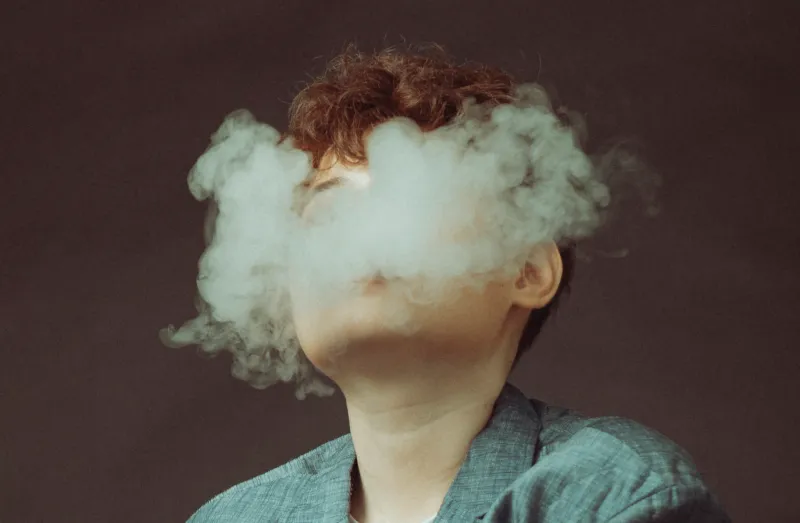
Clout Chasing or Cash Grabbing? The Real Story Behind Your Favorite Vape Creator's Corporate Glow-Up

Photo: European Parliament, CC BY 2.0, via Wikimedia Commons
It usually starts with a comment. Something like "bro what happened to you" or "this ain't the channel I subscribed to." Then it spreads — Discord servers light up, Reddit threads multiply, and suddenly the whole vape community is processing a collective breakup in real time. Your guy (or girl, or non-binary cloud wizard) just signed with that brand. The one everyone knows is owned by a tobacco conglomerate. The one that runs pop-up booths at festivals with suspiciously polished vibes. And you feel — weirdly, deeply — betrayed.
So what's actually going on here? Is it a sellout situation, a survival story, or something messier in between?
The Parasocial Thing Is Real, and Nobody Talks About It Enough
Let's call it what it is. When you've watched someone review mods in their garage for three years straight, when you've heard them rant about burnt coils and bad customer service like they're your roommate venting over dinner — you've built a relationship. It's one-sided in the technical sense, but it doesn't feel that way. That's the whole architecture of parasocial connection, and vape culture is absolutely swimming in it.
Vape content creators operate in an unusually intimate space. Unlike beauty gurus or tech reviewers, they're talking about something tied to a physical sensation — a daily ritual, a habit, sometimes even a harm-reduction journey. They're in your earbuds during your lunch break. They're the reason you tried that one strawberry custard juice that became your all-time favorite. That intimacy is the product. When it gets monetized in ways that feel inauthentic, the violation hits harder than you'd expect from someone you've technically never met.
The Creator's Side of the Story
Here's the uncomfortable truth: making vape content is not a stable career path. YouTube ad revenue for anything tangentially related to nicotine or tobacco products is notoriously inconsistent. Demonetization hits vape channels constantly. Patreon helps, but only up to a point. Merchandise margins are thin. And unlike mainstream lifestyle creators, vape content creators operate in a legally murky advertising environment where even Instagram posts can get nuked without warning.
So when a well-funded brand slides into the DMs with a deal that covers rent, health insurance, and maybe a little breathing room — what exactly is the move supposed to be? Turning it down is a luxury not everyone can afford. The creators who "sell out" are often the ones who've been grinding the hardest, who built something real from nothing, and who are now facing the choice between staying pure and staying solvent.
That doesn't mean every sponsorship decision is above criticism. There's a difference between taking a deal with an indie juice brand you actually like and becoming a walking billboard for a company whose parent corporation spent decades fighting anti-smoking legislation. Context matters. Transparency matters even more.
When the Community Turns
The fan response to a perceived creator sellout tends to follow a pretty predictable arc. First comes the shock — a comment section in freefall, ratio'd posts, clipped clips shared out of context. Then comes the analysis phase, where the most dedicated fans dissect every video for signs of inauthenticity. Did they used to trash this brand? Did they quietly delete old videos? Are the reviews still honest or just technically compliant?
Then comes the grieving. And that part, honestly, is where it gets interesting.
People aren't just mad that someone took a brand deal. They're mourning a version of the creator that may have never fully existed — the idealized, uncorrupted version who was just like them, who didn't care about money, who would always keep it real. The sellout moment is when that fantasy collides with reality, and reality wins.
Some communities handle this with more grace than others. The best responses tend to involve actual dialogue — creators who explain their reasoning, fans who push back with specific critiques rather than just vibes-based rage. The worst end in harassment campaigns that say way more about mob mentality than any corporate partnership ever could.
The Transparency Test
If there's one thing the vape community seems to agree on when it's not actively eating itself, it's this: disclosure is non-negotiable. Sponsored content that's clearly labeled, with honest caveats about what the creator actually thinks versus what they're being paid to say, lands very differently than a "casual" recommendation that turns out to be a paid placement.
The creators who navigate brand partnerships without losing their audience tend to be the ones who treat their community like adults. They'll say something like, "Look, this is a paid deal, here's what I genuinely think is good about it, and here's where I'd still go elsewhere." That kind of honesty isn't just ethical — it's strategically smart. It's the difference between a short-term cash grab and a long-term career.
The ones who quietly pivot, who start sounding like press releases, who stop engaging with critical comments — those are the ones who lose the room. And usually, they lose it fast.
What This Says About Vape Culture Specifically
Vape culture has always had a complicated relationship with money and legitimacy. It grew up underground, in forums and subreddits and YouTube channels that felt like alternatives to the slick, corporate world of traditional tobacco. The DIY ethic — building your own coils, mixing your own juice, hunting down indie brands — was part of the identity. Authenticity wasn't just valued; it was the whole point.
That origin story makes commercial success feel like a threat rather than a milestone. Every creator who goes mainstream becomes a test case for whether the culture can survive contact with capital. Sometimes it can. Sometimes the thing that made someone great doesn't survive the transition.
But it's also worth asking whether the community's standards are realistic. Should creators be expected to stay broke to stay credible? Is every brand deal a betrayal, or just the ones that cross certain lines? These aren't rhetorical questions — they're the ones the community is actively wrestling with, one drama cycle at a time.
Moving On (Or Not)
The vape creator breakup is a rite of passage at this point. You find someone whose content speaks to you, you build a parasocial bond, and eventually something shifts — a sponsorship, a pivot, a departure from the niche entirely. It stings. Sometimes it should sting.
But the healthiest move is the same one that works in actual breakups: figure out what you valued, find other people who embody it, and stop expecting any single creator to be the permanent keeper of the culture's soul. The community is bigger than any one channel. Always has been.
And sometimes — not always, but sometimes — the creator you wrote off comes back around. They drop the bad partnership, they make a video explaining themselves, and they're a little more honest for having gone through the fire. That's not nothing.
The cloud keeps moving. So do we.