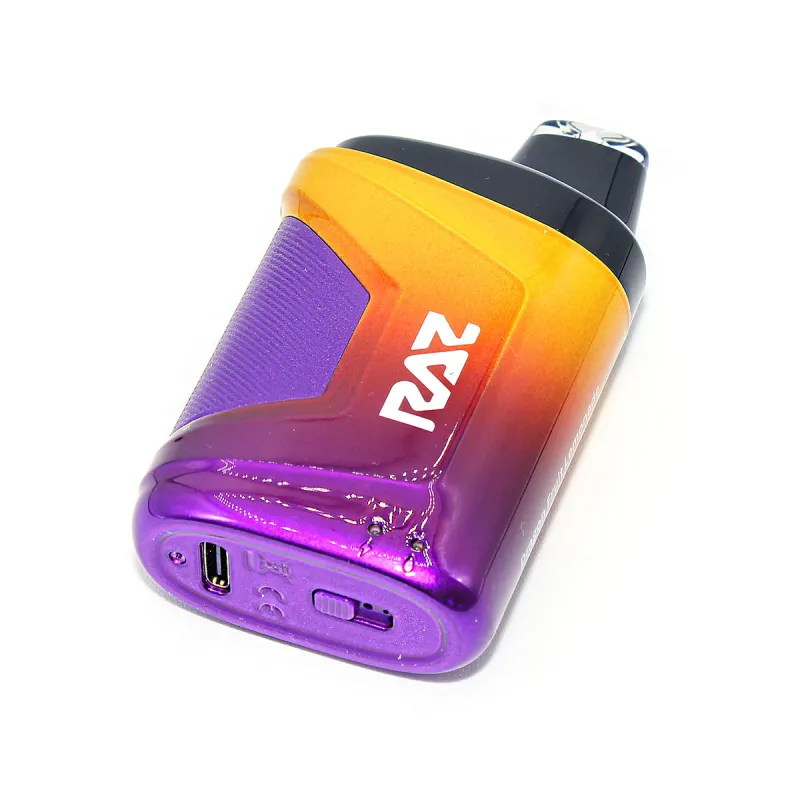
More Than Clouds: How Vape Culture Became a Generational Touchstone
Walk through a music festival in Austin, a skate park in Phoenix, or a late-night diner in Brooklyn, and you'll notice something. It's not just the vapor hanging in the air — it's the conversations happening around it. The shared ritual of a pull between friends. The way someone's mod becomes a conversation starter, a fashion accessory, a personality signal. Vaping, for a significant chunk of young Americans, isn't just a nicotine delivery system. It's a cultural language.
That's a complicated thing to say out loud in 2024, and we're not going to pretend otherwise. But dismissing the social dimension of vape culture because the subject makes people uncomfortable doesn't make it less real. So let's actually look at it.
The Ritual of It All
Human beings have always organized social life around shared rituals. Coffee culture. Smoking circles. Craft beer. Every generation finds its own version of the communal pause — the moment where the activity is almost secondary to the connection it enables.
For a lot of young people, vaping has become that moment.
Jamie, 24, a graphic design student in Chicago, describes it this way: "My friend group kind of formed around a vape shop, honestly. We'd all go in, talk about flavors, compare setups. It sounds weird when I say it out loud, but it's just... our spot. The vape is almost beside the point."
That sentiment — the device as social prop rather than endpoint — came up repeatedly in conversations we had with vapers across the country. In Atlanta, Marcus, 22, described vaping as "the thing you do with your hands while you're actually doing the important thing, which is just hanging out." In Seattle, a group of friends in their early twenties told us their Discord server, which started as a place to trade flavor recommendations, had evolved into their primary social hub, covering everything from job hunting to mental health check-ins.
The vape is the door. The community is the room.
Regional Flavor: How Geography Shapes the Culture
Vape culture isn't monolithic across the US, and the regional variations are genuinely fascinating. In Southern California, the aesthetic leans heavily into the crossover with streetwear — limited-edition mods displayed like sneakers, flavor collections curated with the same energy someone might bring to a vinyl record shelf. In the South, particularly in Texas and Tennessee, the culture is more utilitarian and community-driven, centered around local shops that double as informal social clubs.
In the Northeast, especially in cities like New York and Boston, vaping intersects heavily with nightlife and music scenes. "At most shows I go to, you'll see more vapes than cigarettes outside," said Priya, 23, a music blogger based in Brooklyn. "It's just become part of that world. People talk about their setups the same way they talk about their playlists."
The Midwest has its own distinct flavor — more DIY, more technically focused, with a strong overlap with the hobbyist and maker communities. Build competitions and cloud contests at local shops draw crowds in cities like Columbus and Minneapolis where the craft aspect of vaping gets treated with genuine seriousness.
Vaping, Fashion, and the Visual Identity
You can't talk about youth culture without talking about aesthetics, and vape culture has developed a visual identity that's impossible to miss once you start looking for it. The sleek lines of a high-end mod. The color coordination between a device and an outfit. The way certain brands have cultivated followings that feel more like streetwear drops than consumer electronics launches.
On TikTok and Instagram, vape content occupies its own distinct lane — part product review, part lifestyle documentation, part performance art. Creators have built substantial followings around flavor reviews, build tutorials, and what can only be described as vape photography, treating devices with the same compositional attention a sneakerhead brings to a new release.
"My feed is like half vape content at this point," laughed Devon, 21, from Nashville, who creates short-form content around his hobby. "But it's connected me with people I actually talk to every day now. The algorithm brought us together, which sounds dystopian, but here we are."
The Health Conversation: Real Talk
We'd be doing our readers a disservice if we didn't acknowledge what's also true: the health picture around vaping, particularly for young people, is still being written, and not all of the chapters look good. Researchers continue to study the long-term effects of inhaling vaporized substances, and public health organizations have raised legitimate concerns about nicotine dependence in younger populations.
The young vapers we spoke with weren't oblivious to this. Most had done at least some reading. Responses ranged from genuine concern to calculated acceptance to a kind of fatalistic shrug that felt more like a coping mechanism than actual indifference.
"I know it's not zero risk," said Priya. "I'm not going to pretend I think it's completely harmless. But I also make choices every day that aren't zero risk. I try to be honest with myself about it."
That kind of nuance — the refusal to be either an uncritical evangelist or a reflexive dismisser — felt representative of where a lot of young vapers actually land. The culture isn't built on denial. It's built on community, identity, and the very human desire to belong to something.
What the Culture Is Actually Saying
At its core, what vape culture reflects about this generation isn't really about nicotine or vapor or even any specific product. It's about the relentless search for belonging in a fragmented social landscape. It's about finding your people in a world where traditional community structures have largely dissolved and new ones are being built from scratch, sometimes in Discord servers, sometimes in the parking lot of a vape shop.
The clouds are just the part you can see.
The rest of it — the friendships, the shared language, the sense of being part of something with its own aesthetics and rituals and inside jokes — that's what actually keeps people coming back. Understanding that doesn't mean endorsing every aspect of the culture uncritically. It means taking it seriously enough to actually look at it.
And from where we're standing, that's always worth doing.