Breaking Up With Your Mod: A No-Drama Guide to Switching Devices Without Wrecking Your Vibe
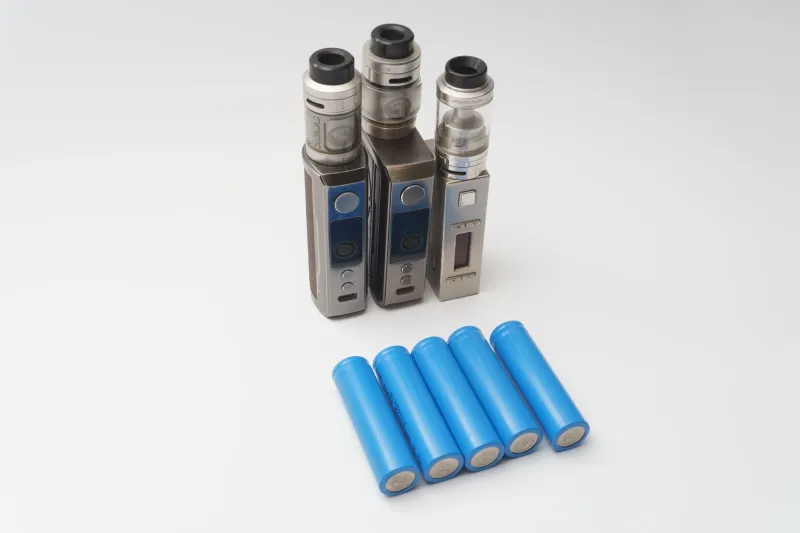
You finally pulled the trigger. New device, new era, new you — except now every hit feels either like a whisper or a freight train, and you're three days in wondering why you ever messed with what was working. Sound familiar? Switching devices is one of those things the vape community treats like a casual Tuesday, but the reality is messier than the unboxing video makes it look. Nicotine levels feel off, flavor profiles shift, and your throat is staging a full protest.
The good news: none of this is random. There's actual science behind what's happening to your body and your setup, and once you understand it, you can engineer the transition instead of just surviving it.
Why Switching Devices Hits Different (Literally)
Here's the thing most people skip over — different devices don't just deliver vapor differently, they deliver nicotine differently. A pod system running 25mg salt nic and a sub-ohm tank running 3mg freebase are both technically "vaping," but the nicotine absorption rates are wildly different. Nicotine salts hit your bloodstream faster and smoother. Freebase nicotine at high wattage hits harder but with more throat punch. If you're jumping between these two worlds without adjusting your concentration, you're either going to feel nothing or feel everything.
The baseline rule: when moving from a low-power pod to a high-wattage sub-ohm setup, drop your nicotine concentration significantly — we're talking from the 25-50mg range down to the 3-6mg range. Going the other direction, from sub-ohm to pod? You'll need to bump that number back up. Your body isn't broken. It's just recalibrating to a completely different delivery mechanism.
The Coil Confusion Nobody Warns You About
Coils are where most device transitions quietly fall apart. Even if you're staying within the same brand ecosystem, coil resistance, material, and wicking structure all affect how your juice tastes and how your nicotine lands.
Lower resistance coils (think 0.2 ohm and below) run hot, vaporize more liquid per puff, and tend to emphasize sweetness and vapor production. Higher resistance coils (0.6 ohm and above) run cooler, use less juice, and often bring out more nuanced flavor notes — better for complex profiles that get muddy when blasted at full heat.
If you're switching to a device with a different coil resistance than what you're used to, give yourself a genuine break-in period. Don't crank the wattage to max on day one. Start at the lower end of the recommended range, take a few test puffs, and let the coil prime properly. Dry hits because you rushed the break-in process are a guaranteed way to poison your first impression of a new setup.
Also — and this one gets overlooked constantly — your juice might not be the right VG/PG ratio for your new device. Pod systems and mouth-to-lung setups typically prefer higher PG blends for better wicking. Sub-ohm tanks are built for high-VG juice. Throw a thick 80/20 VG/PG blend into a pod system and you'll be pulling on a nearly dry wick within a few hits.
The Psychology of Letting Go
Okay, real talk for a second. Part of why device transitions feel rough isn't just physical — it's psychological. You've built a ritual around your current setup. The weight of it in your hand, the click of the fire button, the specific sound it makes when you draw. That stuff is baked into muscle memory, and your brain has tied the satisfaction of vaping directly to those sensory cues.
When you switch to something new, even if it objectively performs better, your brain hasn't made that connection yet. You're getting the nicotine but not the full dopamine reward loop, because the ritual is unfamiliar. This is why so many people convince themselves the new device "just doesn't hit the same" and go back to their old one — when in reality, they just needed another week.
Give yourself a deliberate adjustment window. Two weeks minimum. Don't make any permanent judgments about the new device before you've built new muscle memory around it. If possible, don't keep your old device within arm's reach during that window. Out of sight, genuinely helps out of mind.
Building Your Transition Framework
If you want to make this systematic rather than just winging it, here's a practical sequence that actually works:
Step 1 — Map your current setup. Write down your current device, coil resistance, wattage, nicotine level, and VG/PG ratio. This is your baseline. Everything you do with the new device should be benchmarked against it.
Step 2 — Identify what's changing. Is it just the device, or are you also changing juice, coil type, and nicotine format? The more variables you change at once, the harder it is to isolate what's causing any discomfort.
Step 3 — Adjust nicotine first. Before you even worry about wattage or flavor, get your nicotine concentration right for the new delivery method. This is the variable that most directly affects how you feel physically.
Step 4 — Dial in wattage gradually. Start at the minimum recommended wattage for your new coil and work up over a few sessions. Your palate will tell you when you've hit the sweet spot — flavor opens up, vapor feels smooth, and you're not getting a harsh edge on the exhale.
Step 5 — Juice check. Once your nicotine and wattage feel dialed, revisit whether your current juice is performing the way you want it to. Sometimes a flavor that was perfect on your old setup needs a VG/PG tweak or a different temperature range to really shine on the new one.
When to Call It
Not every device is right for every person, and that's okay. If you've genuinely given a new setup a two-week honest trial, adjusted your nicotine, dialed the wattage, matched your juice properly, and it still feels wrong — trust that instinct. The vape market is massive. There's no single device that works best for everyone, and the best setup is always the one you'll actually use consistently.
The transition process isn't about forcing yourself to love something new. It's about giving it a fair shot before you walk away. Do it right, and you might find yourself wondering how you ever went back.
Puff smart. Switch clean. And don't let a rough first week kill what might be your next ride-or-die.