Empty Shelves, Empty Promises: The Slow Disappearance of Your Local Vape Shop's Juice Wall
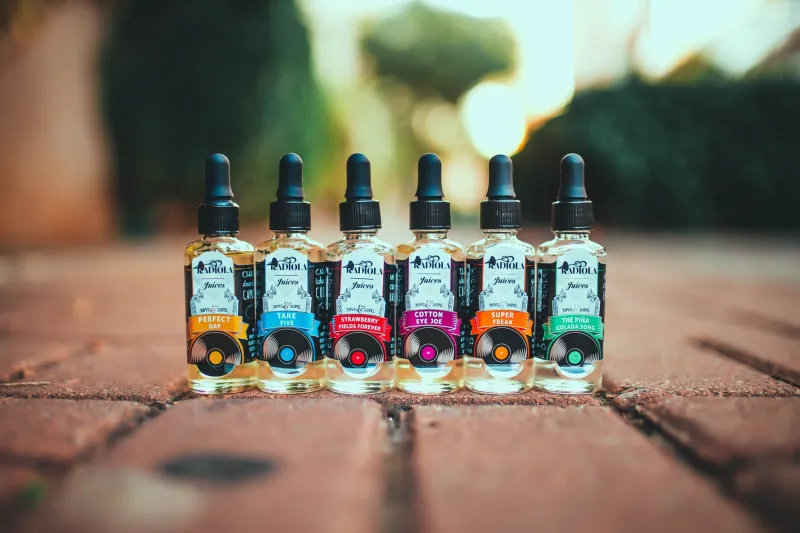
Remember when walking into your local shop felt like stepping into a candy store designed by adults who never quite grew up? Floor-to-ceiling displays. Dozens of brands. Sample bars lined with little bottles in every flavor profile imaginable. That sensory overload used to be the whole point.
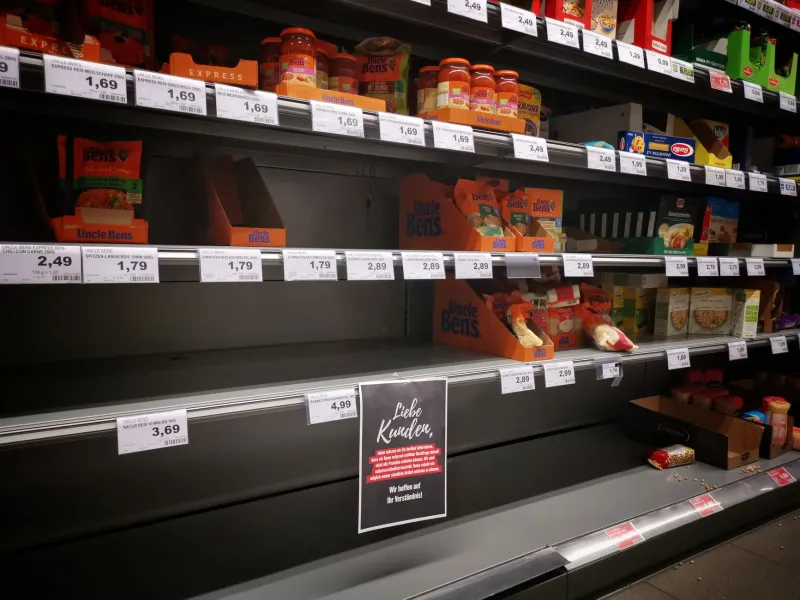
Now, for a lot of vapers across the US, those same shops feel like they're quietly winding down a going-out-of-business sale that nobody officially announced. Shelves that once held fifty flavor options now carry twelve. Brands you've been loyal to for years have simply vanished from the racks. And the shop owner, if you ask, gives you a look that's equal parts exhausted and defeated.
This isn't just your neighborhood. It's happening coast to coast, and the reasons are messier than any single headline can capture.
The Regulatory Squeeze That Never Stopped Squeezing
Let's start with the obvious one. Flavor bans have been reshaping the retail landscape since the FDA started tightening its grip on the vaping industry in earnest. The Premarket Tobacco Application process — the infamous PMTA gauntlet — effectively wiped out thousands of products that smaller manufacturers simply couldn't afford to push through the approval pipeline. Big players with legal teams and deep pockets survived. Boutique juice labs, regional brands, and one-person operations largely did not.
What that means at the retail level is a dramatic narrowing of what shops can legally stock. In states like California, Massachusetts, and New York, flavor restrictions at the state level have compounded federal pressure, leaving retailers in a genuinely impossible position. You can't sell what you can't source, and you can't source what's been effectively legislated out of existence.
The irony is brutal. The flavors that brought so many people into vaping in the first place — the fruity stuff, the desserts, the creamy custards that somehow taste like a bakery — are precisely what regulators have targeted most aggressively. What's left on a lot of shelves skews heavily toward tobacco and menthol profiles, which, sure, some vapers prefer. But for the community that built its identity around flavor exploration, it's a gut punch.
Supply Chain Issues That Never Fully Healed
Here's a layer that gets less attention: the supply chain disruptions that started during the pandemic never fully resolved for the vaping industry. Ingredient sourcing, packaging materials, shipping logistics — all of it took hits that larger consumer goods categories have mostly recovered from, but the vaping supply chain remains fragile.
Propylene glycol and vegetable glycerin, the base components of virtually every e-liquid, saw price spikes and availability crunches that hit small-batch manufacturers especially hard. Flavor concentrate suppliers — many of whom operate internationally — faced their own regulatory and logistical nightmares. The result is that even brands that survived the PMTA process are sometimes struggling to maintain consistent inventory.
For shop owners, this creates a whiplash effect. You find a product your customers love, you build demand for it, and then three months later you can't restock it because your distributor is backordered indefinitely. You either eat the loss of customer goodwill or you scramble to find a substitute that probably isn't quite as good.
The Strategic Retreat of Smaller Retailers
Small independent vape shops were never operating on massive margins to begin with. The business model depended on volume, loyalty, and the kind of personalized service that big-box retailers and online vendors couldn't replicate. When regulatory compliance costs ballooned — think age verification systems, licensing fees, legal consultations — a lot of those margins evaporated entirely.
Across the country, the numbers tell a grim story. Industry watchers have tracked thousands of independent retail closures since 2020, with the pace accelerating rather than slowing. Some owners have pivoted to CBD or kratom products to keep the lights on. Others have doubled down on hardware sales, treating juice as a secondary category. A few have gone fully online, abandoning physical retail altogether.
What's lost in that retreat isn't just convenience. It's community. The local vape shop was, for a lot of people, a genuine gathering point — a place to swap recommendations, troubleshoot builds, and connect with other enthusiasts. When that space closes or hollows itself out to survive, something real disappears from the culture.
How Vapers Are Actually Adapting
The community hasn't been passive about any of this, to be clear. Vapers are resourceful by nature — these are people who got comfortable rebuilding their own coils and mixing their own bases long before the current crisis. That DIY instinct is getting a serious workout right now.
DIY juice mixing has seen a notable uptick in interest, with communities on Reddit and Discord sharing recipes, sourcing guides for compliant flavor concentrates, and troubleshooting threads for first-timers. It's not a perfect solution — mixing your own juice takes time, equipment, and a learning curve — but for flavor-obsessed vapers who refuse to accept a tobacco-only future, it's become a legitimate path.
Online retail has also absorbed a lot of the demand that physical shops can no longer meet, though it comes with its own complications. Shipping restrictions vary by state, age verification requirements differ across platforms, and the experience of buying juice online is a pale imitation of sampling at a shop with someone who actually knows what they're talking about.
Some vapers have simply become regional tourists, mapping out shops in neighboring states with more permissive regulatory environments and making occasional supply runs. It's absurd that this is a thing people are doing, but here we are.
What the Future of the Juice Wall Looks Like
Honestly? It's not a cheerful picture in the short term. The regulatory pressure isn't going to ease up, and the consolidation happening at both the manufacturing and retail levels tends to benefit large corporations at the expense of the independent, craft-oriented culture that made vaping interesting in the first place.
The brands most likely to survive are the ones that got through the PMTA process, have the distribution muscle to stay on shelves, and can absorb compliance costs without blinking. That's not the scrappy regional juice lab that made your favorite flavor. That's more likely a subsidiary of a tobacco conglomerate.
For vapers who care about this — and you should — the most meaningful thing you can do is stay engaged with the shops and brands still fighting to hold space. Buy local when you can. Learn to mix if you're curious. Pay attention to the regulatory battles happening in your state, because the people pushing back on the most aggressive flavor restrictions are fighting for the culture you've built your habits around.
The juice wall isn't gone yet. But it's shrinking, and it's going to take active effort from the community to keep what's left of it standing.