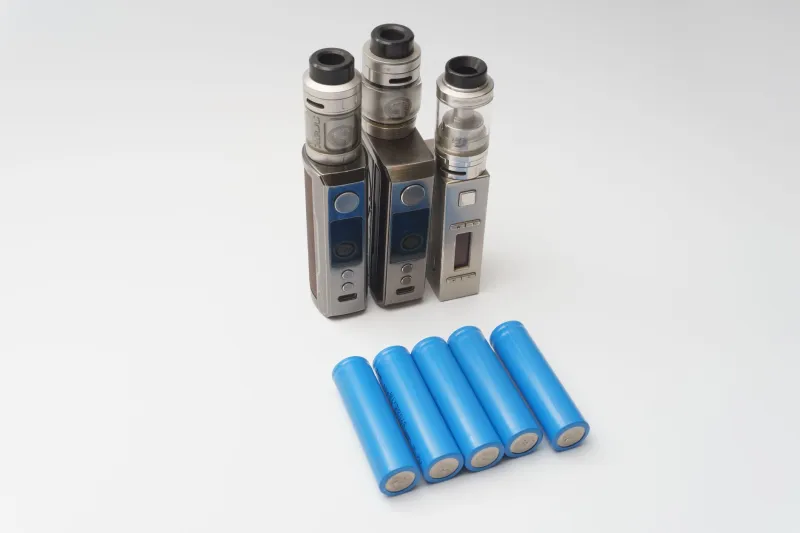
Stop Blaming Your Mod: A No-Nonsense Guide to Battery Care and the Myths Refusing to Die
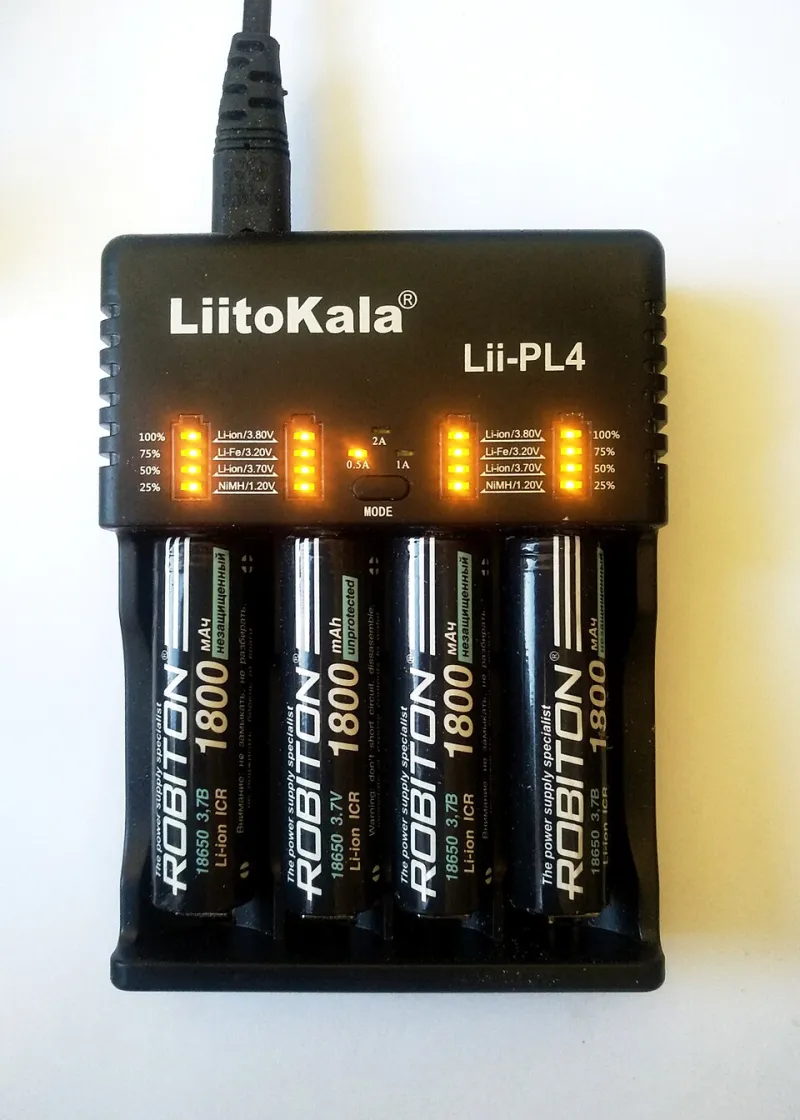
Photo: Retired electrician, CC0, via Wikimedia Commons
Every vaper has been there: your mod shuts down with the screen still reading 20%, and you're standing there questioning everything you know about batteries. Here's the uncomfortable truth — your battery probably isn't broken. Your understanding of it might be.
Why Your Battery "Dies" With Charge Remaining
Lithium-ion cells have a voltage curve, not a fuel gauge. As a cell discharges, its voltage drops. When it hits a low-voltage cutoff — typically around 2.5 to 3.0 volts per cell — your mod's chip shuts things down to protect the battery from damage.
The catch? Under heavy load, voltage sags. A cell that reads 3.4 volts at rest can dip below cutoff the moment you fire a demanding build. That's the "dying at 20%" phenomenon: the sag is pushing the real voltage below your mod's safety floor.
Translation: if your battery keeps cutting out early, especially on high-wattage setups, the cell is aging. Internal resistance builds up over time, voltage sag gets worse, and usable capacity shrinks. The battery isn't lying to you — it's telling you it's tired.
The Overnight Charging Myth
The single most persistent myth on every vape forum is that leaving your battery charging overnight will blow it up. Modern mods and quality external chargers have overcharge protection that stops the current once the cell is full. You will not overcharge a functioning cell with functioning equipment.
Here's what actually matters: the quality of your charger and the condition of your cell. A no-name charger with sloppy voltage regulation is a far bigger risk than a eight-hour charge on a reputable unit. Buy a proper charger from a known brand. That's the whole ballgame.
The genuinely risky behaviors are dumber and more common: carrying loose batteries in a pocket with keys, using a wrap that's torn to shreds, or running a cell that's been dropped on concrete a dozen times. Physical damage beats charging habits as a cause of battery failures, every time.
The Cheap Charger Problem
Not all chargers are created equal. Bargain-bin chargers can misreport charge status, run cells hot, or push incorrect voltages. Battery safety experts consistently point to the same advice: spend the extra $15 on a charger from a manufacturer with an actual reputation. Your batteries are the most volatile component of your setup. Cheap out on the tank, not the charger.
The Retirement Checklist
Batteries don't come with expiration dates, but they give signals. Retire a cell when:
- The wrap is torn, dented, or peeling (immediately — rewrap or recycle)
- It gets noticeably warmer than usual during normal use
- Runtime has dropped dramatically compared to when it was new
- It hits your mod's cutoff far earlier than it used to
- It's been dropped hard and shows any physical deformation
- It's been in heavy rotation for over a year and showing its age
Batteries are consumables, not heirlooms. The vapers who've been in this hobby a decade share one habit: they replace cells without sentimentality.
The Bottom Line
Battery anxiety mostly comes from folklore. Real safety is boringly simple: quality cells from reputable sellers, a proper charger, protected storage, and honest retirement when the signs show up. Your mod isn't cursed. Your battery is just telling you something — now you know how to listen.