Built in the Garage: Why America's Best Vape Setups Don't Come in a Box
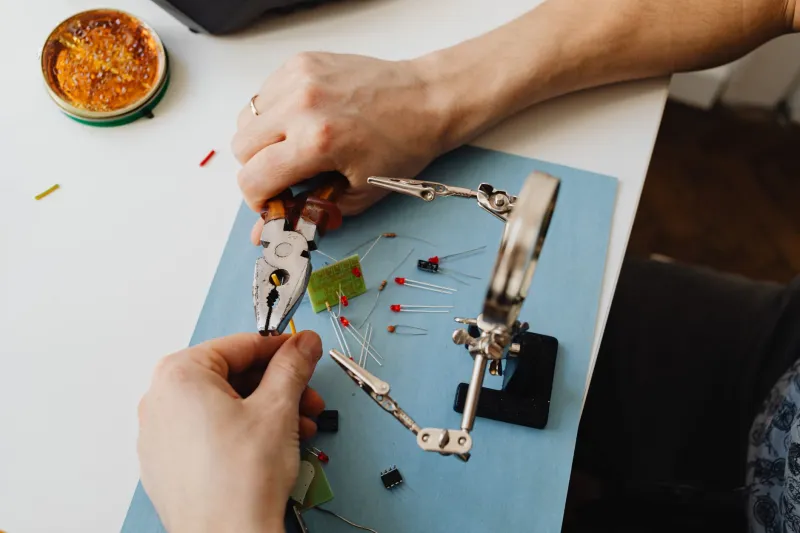
There's a moment every builder remembers. Not the first cloud, not the first flavor — the first time something you made fired. A coil you wrapped at your kitchen table, on a jig you improvised from a chopstick, wicking exactly the way you wanted it to. No box store, no branding meeting. Just you and a chunk of metal that finally works.
If you've only ever bought your setup off a shelf, that moment might sound foreign. But in garages, basements, and spare bedrooms across the country, a whole subculture of American vapers is building gear that no manufacturer will ever sell you. And honestly? Some of it is better than anything you can buy.
The Frankenstein Mod Is a Love Language
Talk to hobbyist builders and a pattern emerges fast: nobody starts because it's cheaper. They start because they're curious.
"My first rebuild was terrible," laughs Marcus, a 34-year-old HVAC tech from Ohio who documents his builds on a modest YouTube channel. "Hot spots, dry hits, the whole disaster reel. But the second I got a clean wrap to fire evenly? That was it. I was hooked. It's the same feeling my dad got fixing carburetors."
That generational echo comes up again and again. The garage tinkerer, the ham radio operator, the kid modding their game console — vape building slots right into a long American tradition of taking things apart to understand them. The tools have changed (ceramic-tipped tweezers instead of socket wrenches), but the impulse hasn't.
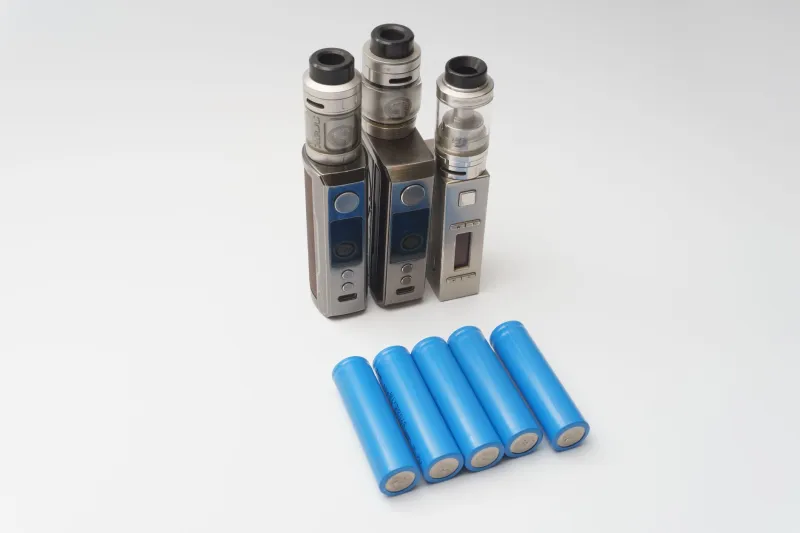
And the builds themselves have gotten gloriously weird. We've seen hybrid mods assembled from milled aluminum blocks and salvaged DNA boards. Drip tips turned on a mini lathe from domestic hardwoods — walnut, cherry, even spalted maple from a storm-felled backyard tree. One builder in Arizona prints entire squonk bottle housings on a $200 3D printer, iterating designs overnight and posting the files free for anyone to use.
The Open-Source Ethos
Here's the part that surprises people: this community gives its work away. File-sharing sites host free STLs for battery wraps, coil jigs, stand bases, and tool organizers. Rebuild tutorials on forums walk newcomers through ohm's law math with more patience than most high school teachers.
"Somebody spent hours teaching me in a Discord server when I didn't know what gauge wire to buy," Marcus says. "Only way to pay that back is to pass it on."
That ethos — open plans, shared mistakes, public safety warnings — is the immune system of DIY culture. When someone builds something unsafe, the community usually flags it faster than any regulator could.
A Beginner's Roadmap That Won't End in a Fire
Alright. You want to try building. Here's the responsible version of getting started, in order:
1. Learn the electricity first. Ohm's law isn't optional knowledge — it's the whole ballgame. Know how resistance, current, and your battery's discharge rating interact before you wrap a single coil. Free online calculators exist; use them religiously.
2. Start with regulated gear. A quality regulated mod with built-in protections (short circuit, over-discharge, temperature limits) gives you a safety net while you learn. Skip mechanical mods entirely until you've got real hours logged.
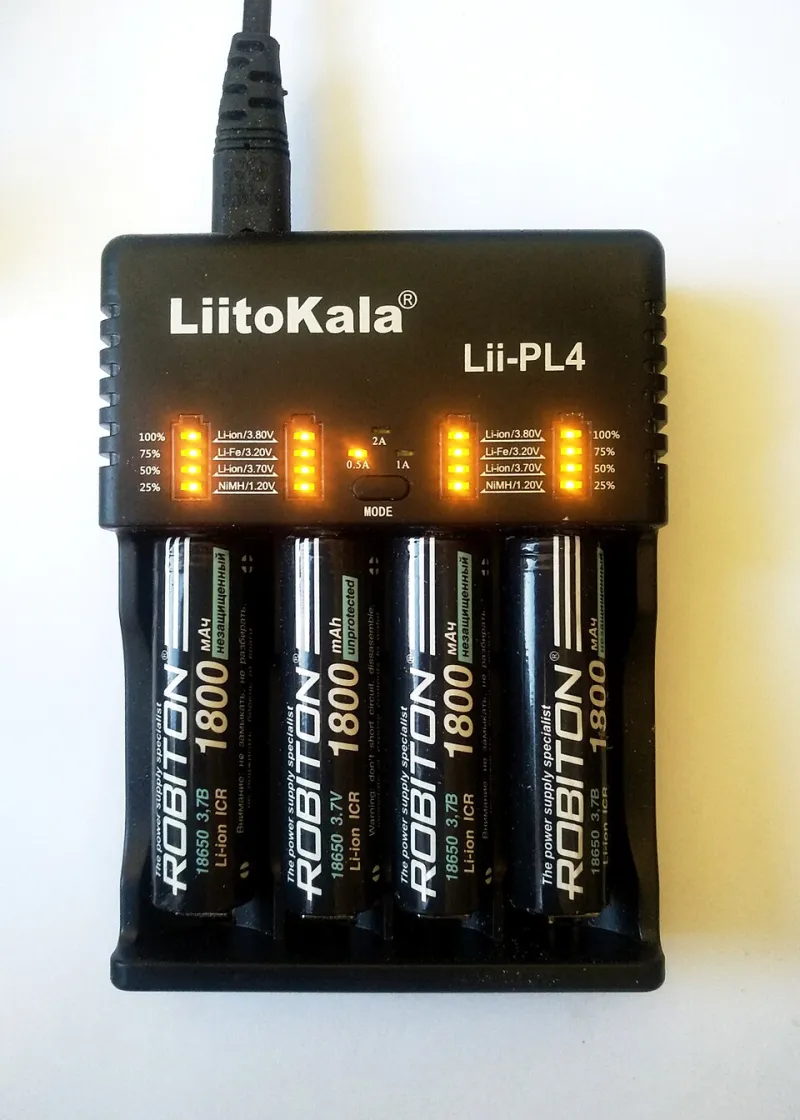
3. Buy known batteries from known sellers. Authentic cells from reputable US vendors, stored in cases, never loose in a pocket with keys. This is the single most important habit in all of vaping, DIY or not.
4. Use proper tools. Flush cutters, ceramic tweezers, a coil jig, and a reliable ohm reader. This is a $30-50 investment that prevents most beginner injuries.
5. Master prebuilt-adjacent wire first. Simple round wire builds in familiar resistance ranges teach you wrapping and wicking without pushing limits. Fancy wire types come later, if ever.
6. Test everything off your body. Fire your first build on the bench, check for hot spots, verify resistance, and only then bring it anywhere near your face.
Small Wins Before Big Builds
You don't have to mill a mod from an engine block to join this world. Start small: rebuild a tank coil instead of buying replacements. Print or buy a custom drip tip. Re-wrap your batteries. Organize your juice shelf with a 3D-printed stand. Each little win builds the confidence — and the skill set — for bigger projects.
The point was never that factory gear is bad. Plenty of excellent devices come off assembly lines. The point is that making something changes your relationship with it. You stop being a consumer and start being a participant. You understand what's happening in your hand, which makes you a safer vaper and a harder person to sell junk to.
The Garage Is Open
Every community needs its builders — the people who try the weird thing, post the results, and warn everyone else about the failures. Vaping's builder culture is one of its healthiest corners: creative, generous, safety-obsessed, and stubbornly independent.
So if you've ever looked at your setup and thought, I bet I could make something like this — you probably can. Grab a jig, watch a tutorial, and respect the electricity.
The garage is open. Bring wire.